POSSIBLE MEDIUMS

Possible Mediums presents a collection of sixteen speculative design mediums by emerging architects. Each chapter defines an active medium in contemporary architecture through descriptions, drawings, and objects. Possible Mediums arranges projects according to shared technical and aesthetic traits, creating a vibrant taxonomy of design. Descriptive texts explain the working principles behind each medium and introduce design concepts intended to inspire students and professionals alike. Through its many contributors, Possible Mediums establishes design as a collective endeavor propelled by the open exchange of ideas and techniques. Possible Mediums is not a systematic theory, a manifesto, or a banal survey; it is a projection of architecture and knowledge to come.
Purchase a copy of the book through Actar or Amazon.
ARTIFACTS are man-made objects gathered and reused in the composition of new constructions.

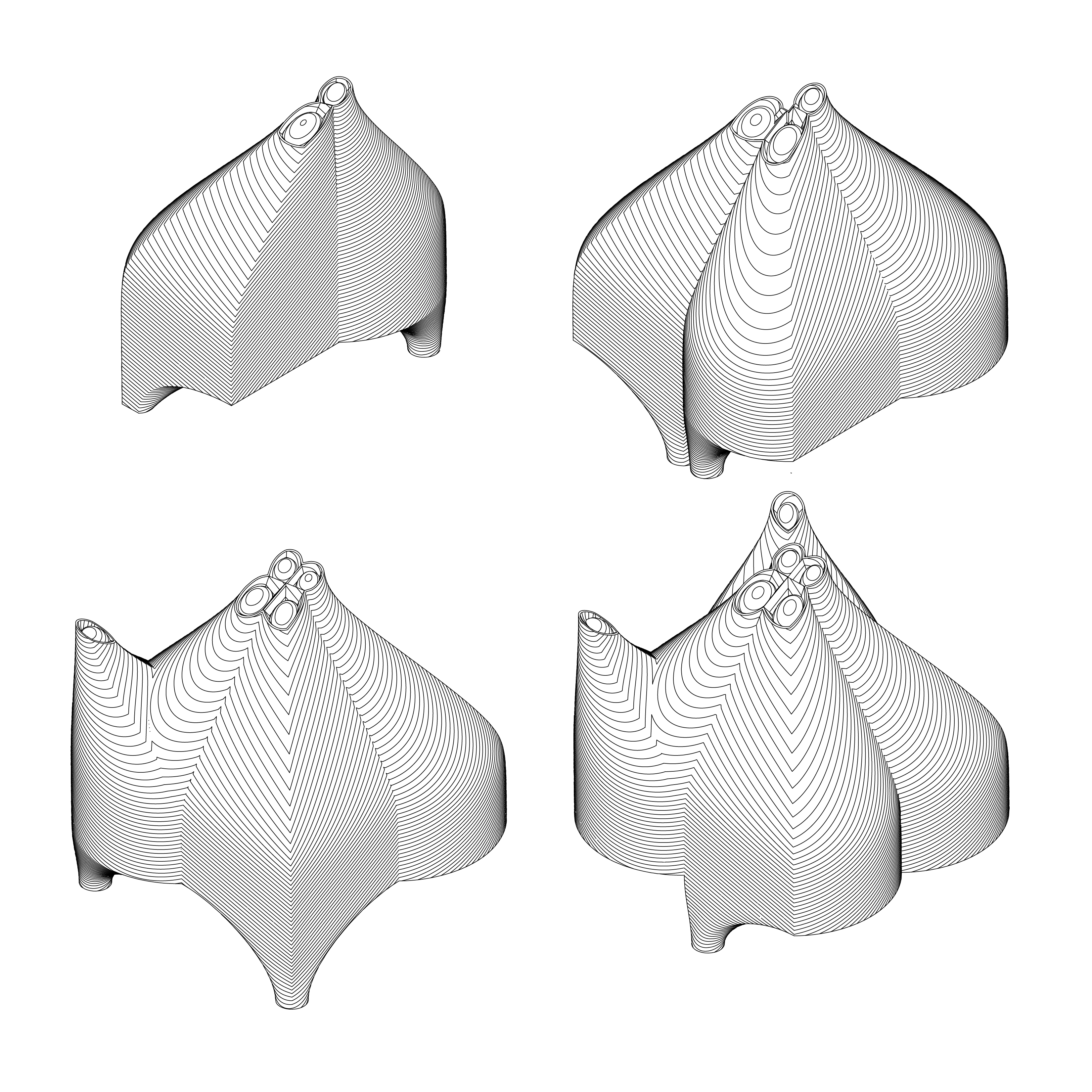
BODIES are continuous topological forms with features resembling human or animal body parts.

FURNITURE refers to objects with expressive forms, details, and components that challenge the rituals of eating, sitting, sleeping, storage and display.

GRAPHICS are applied illustrations that embellish or obscure architectural elements and surfaces.

GRIDS are underlying formal structures guiding the arrangement of architectural elements in two-dimensional representation and three-dimensional space.

LINES are abstract geometric entities manifested as material constructions organizing form, space, structure, and use.

NARRATIVES are graphic stories of real or fictional architecture involving sequential arrangements of language, animations, illustrations, and props.

PATTERN is a repetitive arrangement of linear elements that produces figuration through excessive overlapping.

PLANS are two-dimensional representations of walls, windows and doors cut up, recombined, or extruded to produce new spatial and formal arrangements.

PLASTIC is a synthetic material used in non-standard fabrication to create heterogeneous tactile and visual qualities.

PRIMITIVES are simple geometric shapes that mutate or combine to generate unusual wholes with uncharacteristic parts.

PROFILES are closed, two-dimensional lines translated in three-dimensional space to form figural mass.
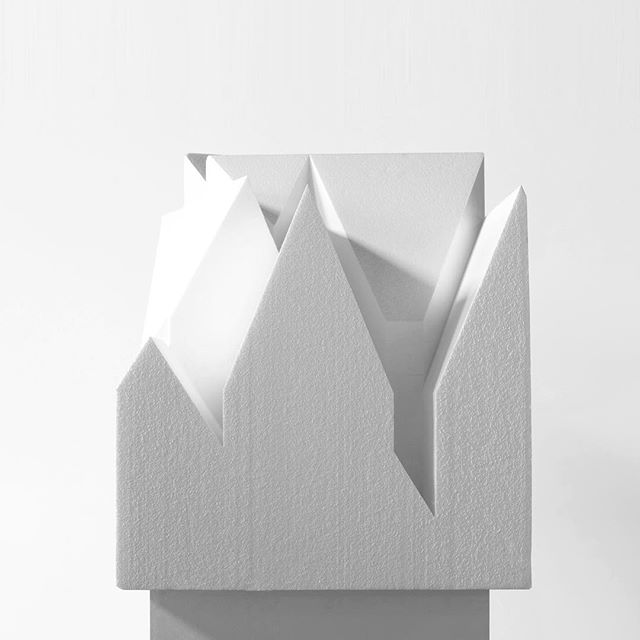
PUZZLES are assemblies of interlocking components that use flanges and seams to balance spatial and geometric complexity.
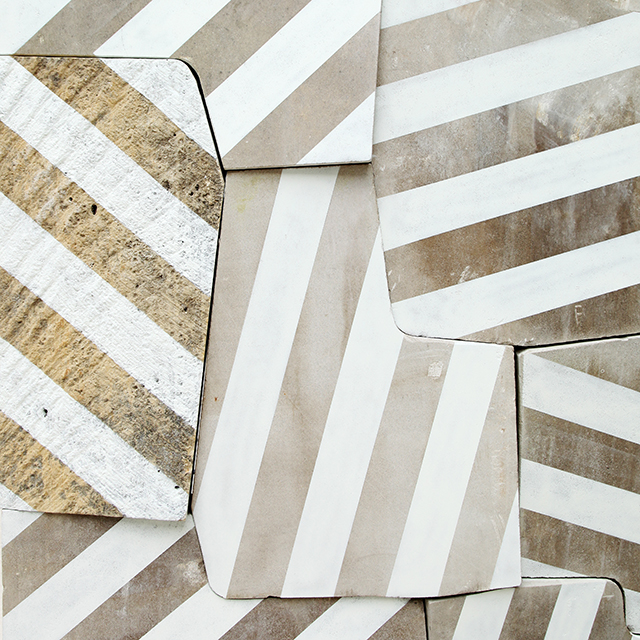
ROCKS are architectural forms produced from digital manipulations of found materials.
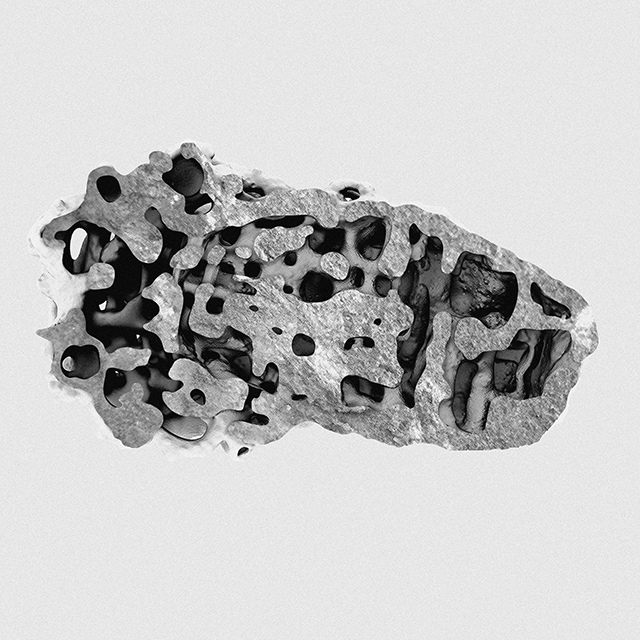
STACKS are discrete objects accumulated vertically.
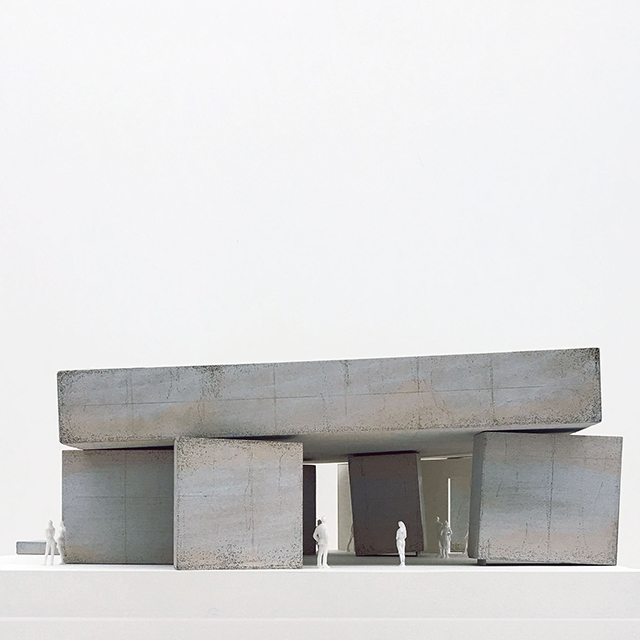
VOLUMES are sequences of contained spaces resulting from the articulation and accumulation of surfaces.
ARTIFACTS: Design With Company, Late Entries…, 2015
BODIES: Andrew Holder (The LADG), 48 Characters, 2013
FURNITURE: Carrie Norman and Thomas Kelley, Wrong Chairs, 2013
GRAPHICS: Anna Neimark and Andrew Atwood, Paranormal Panorama, 2013
GRIDS: Alex Maymind, Four Towers with Apologies to Rossi, 2013
LINES: Kyle Reynolds and McLain Clutter, Empty Pavilion, 2012
NARRATIVES: Bureau Spectacular, Beachside Lonely Hearts, 2015
PATTERN: David Freeland and Brennan Buck, Slipstream, 2013
PLANS: Kyle Miller, The Plan is the Generator, 2015
PLASTIC: T+E+A+M, Clastic Order, 2017
PRIMITIVES: William O’Brien Jr., Seven: A Numbers Game, 2016
PROFILES: Jennifer Bonner, Domestic Hats, 2014
PUZZLES: Matter Design, Cyclopian Cannibalism, 2017
ROCKS: Adam Fure, Rocks, 2014
STACKS: Anna Neimark and Andrew Atwood, PS1 Dolmen, 2016
VOLUME: Young & Ayata, Vessel Collective, 2015